
Case study
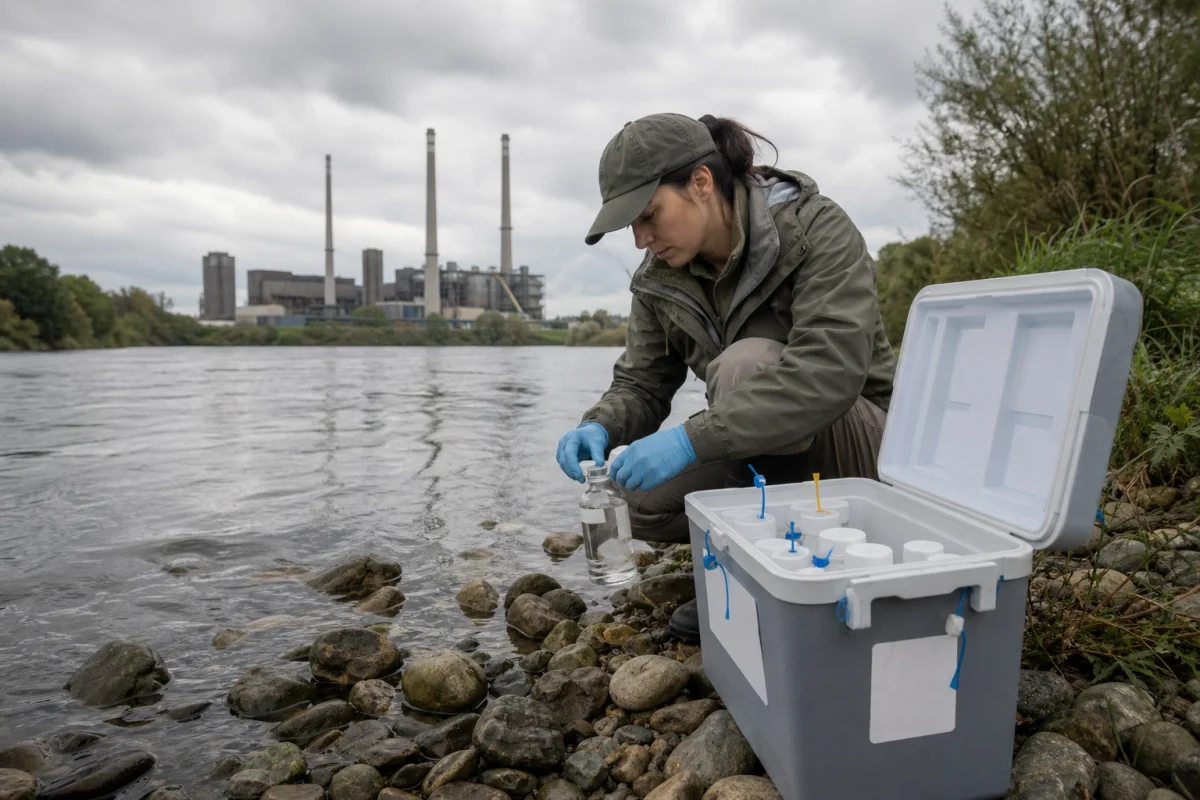
Sample custody began in the field. The digital record followed it to the lab.
Operating shift
Paper custody records and manual laboratory handoffs
A digital record from field collection through reporting
Sample information began in the field but moved through paper forms and repeated laboratory entry. Custody, status, and reporting were hard to follow as one record.
The laboratory started the digital record at collection and carried it through custody, instrument work, review, and reporting.
Electronic chain of custody, instrument integration, and automated reporting replaced paper-heavy coordination from collection through laboratory reporting.
Leadership decision
The chain of custody became stronger when the digital record began in the field.
A digital record from field collection through reporting
The constraint
Sample information began in the field but moved through paper forms and repeated laboratory entry. Custody, status, and reporting were hard to follow as one record.
The decision
The laboratory started the digital record at collection and carried it through custody, instrument work, review, and reporting.
What followed
Electronic chain of custody, instrument integration, and automated reporting replaced paper-heavy coordination from collection through laboratory reporting.
How the operation changed
One result. Three connected moves.
Begin the record at collection.
Create the sample identity and custody context before it reaches the laboratory.
Carry context through testing.
Link custody, laboratory status, and instrument data through one record.
Automate the final handoff.
Generate consistent reports from reviewed laboratory information.
What leaders can carry forward
The result depended on the operating conditions around the technology.
- Start the digital path where the physical sample begins.
- Preserve custody context through every handoff.
- Automate reporting only after review authority is clear.
Related work
More operating change.
Pharmaceutical quality operations
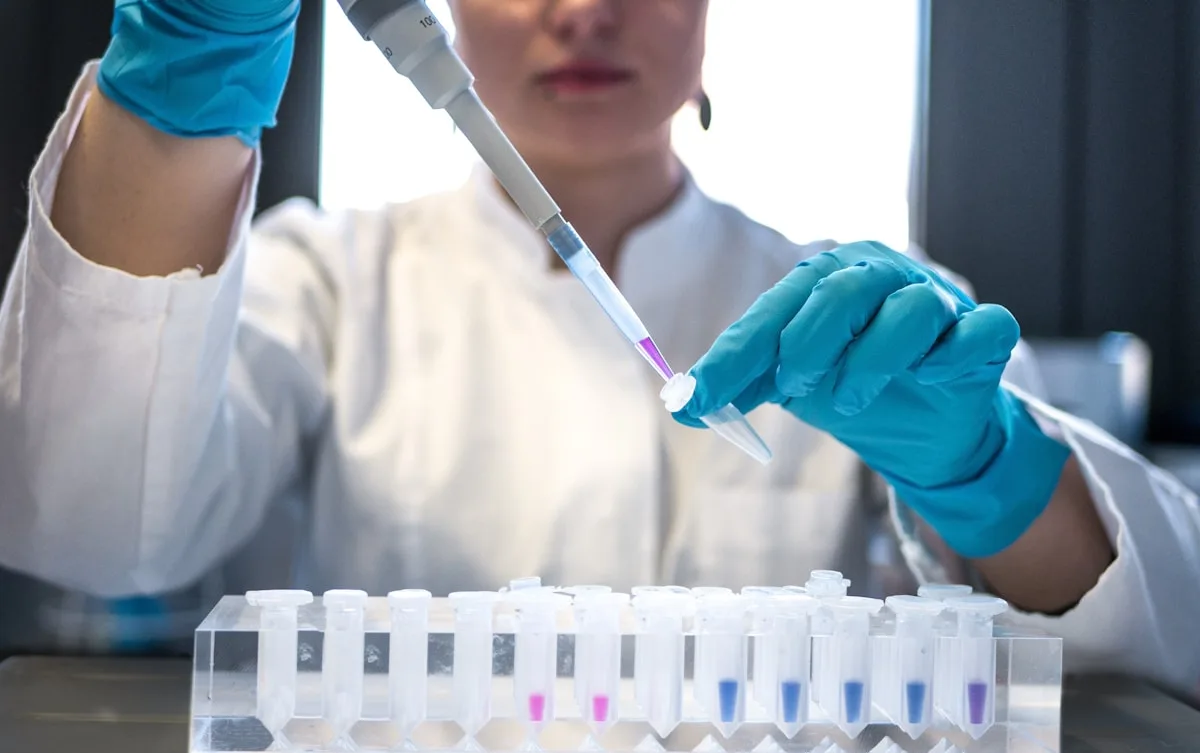
Modernizing regulated quality work in a pharmaceutical lab.
A controlled laboratory system replaced disconnected spreadsheets and strengthened data integrity.Read the case study →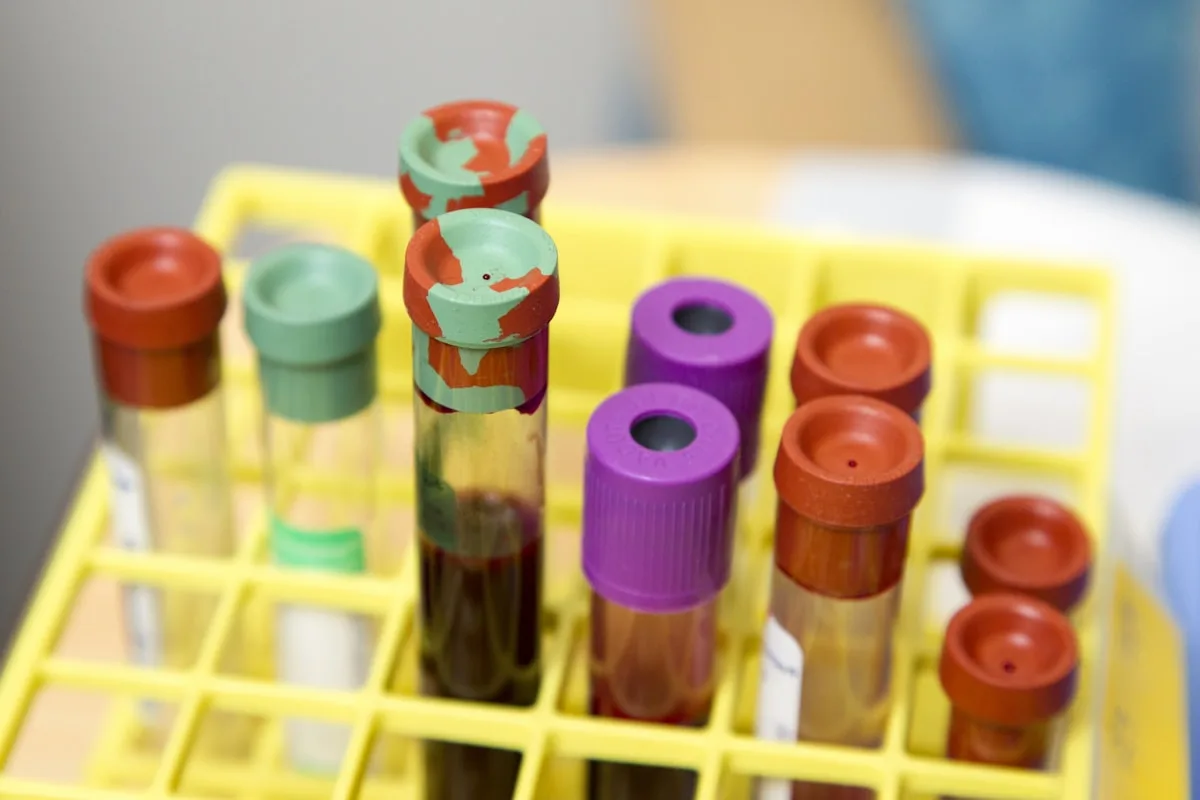
Reference laboratory operations