
Case study
Improving order processing across a high-volume reference lab.

Operating shift
Manual document intake and disconnected downstream checks
One automation path around each laboratory order
High order volume amplified manual document work, result-delivery failures, and billing problems. Each issue created more exceptions for already-busy teams.
The laboratory connected intake, result delivery, and billing checks around the order instead of optimizing each queue in isolation.
Document intake, result delivery, and billing checks moved into one automation program, giving the reference lab a more reliable operating path at scale.
Leadership decision
High volume became manageable when intake, results, and billing checks moved together.
One automation path around each laboratory order
The constraint
High order volume amplified manual document work, result-delivery failures, and billing problems. Each issue created more exceptions for already-busy teams.
The decision
The laboratory connected intake, result delivery, and billing checks around the order instead of optimizing each queue in isolation.
What followed
Document intake, result delivery, and billing checks moved into one automation program, giving the reference lab a more reliable operating path at scale.
How the operation changed
One result. Three connected moves.
Center the work on the order.
Define the required information and decisions from intake through billing readiness.
Remove repeatable queue work.
Structure document intake, delivery checks, and routing for normal cases.
Send exceptions to people.
Give teams the context and authority needed to resolve unusual cases.
What leaders can carry forward
The result depended on the operating conditions around the technology.
- Automate the order path, not disconnected tasks.
- Resolve upstream data issues before they reach billing.
- Design exception handling for the volume that remains.
Related work
More operating change.
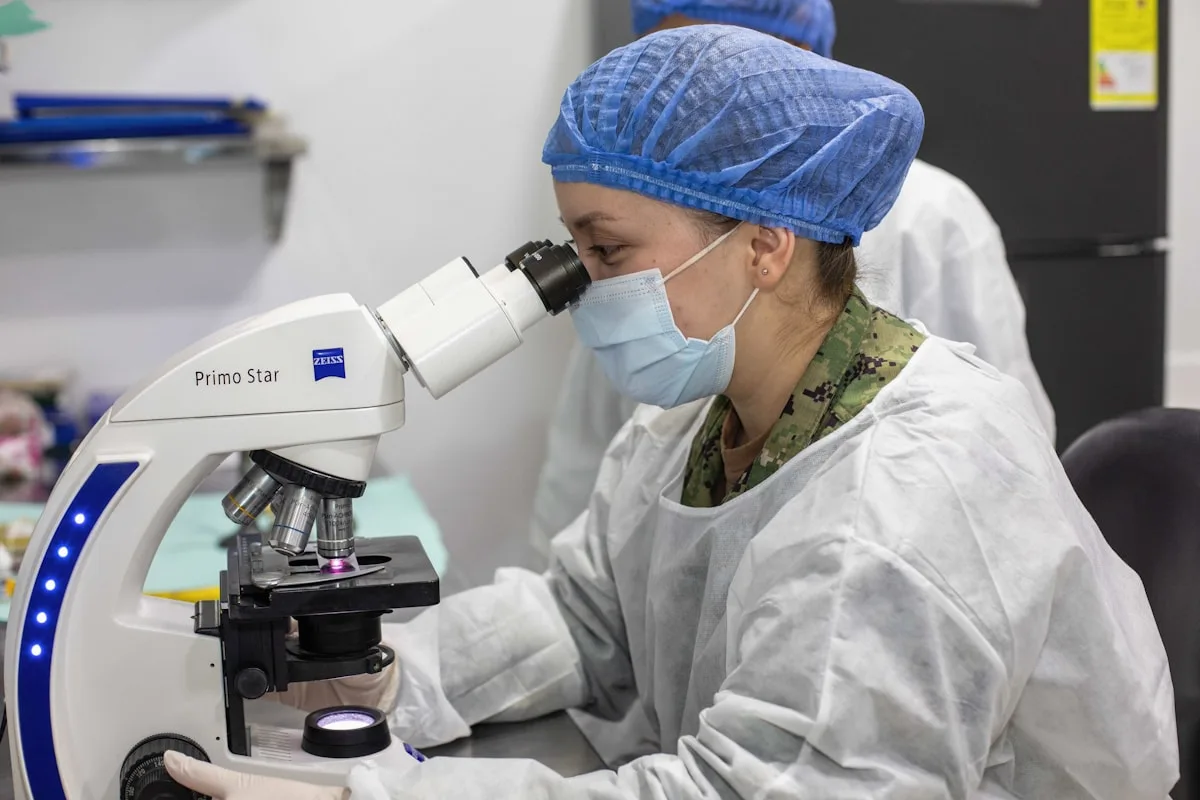
Clinical laboratory operations
A growing clinical lab improved turnaround and billing performance.
A new LIMS connected order entry, billing, and result delivery as demand increased.Read the case study →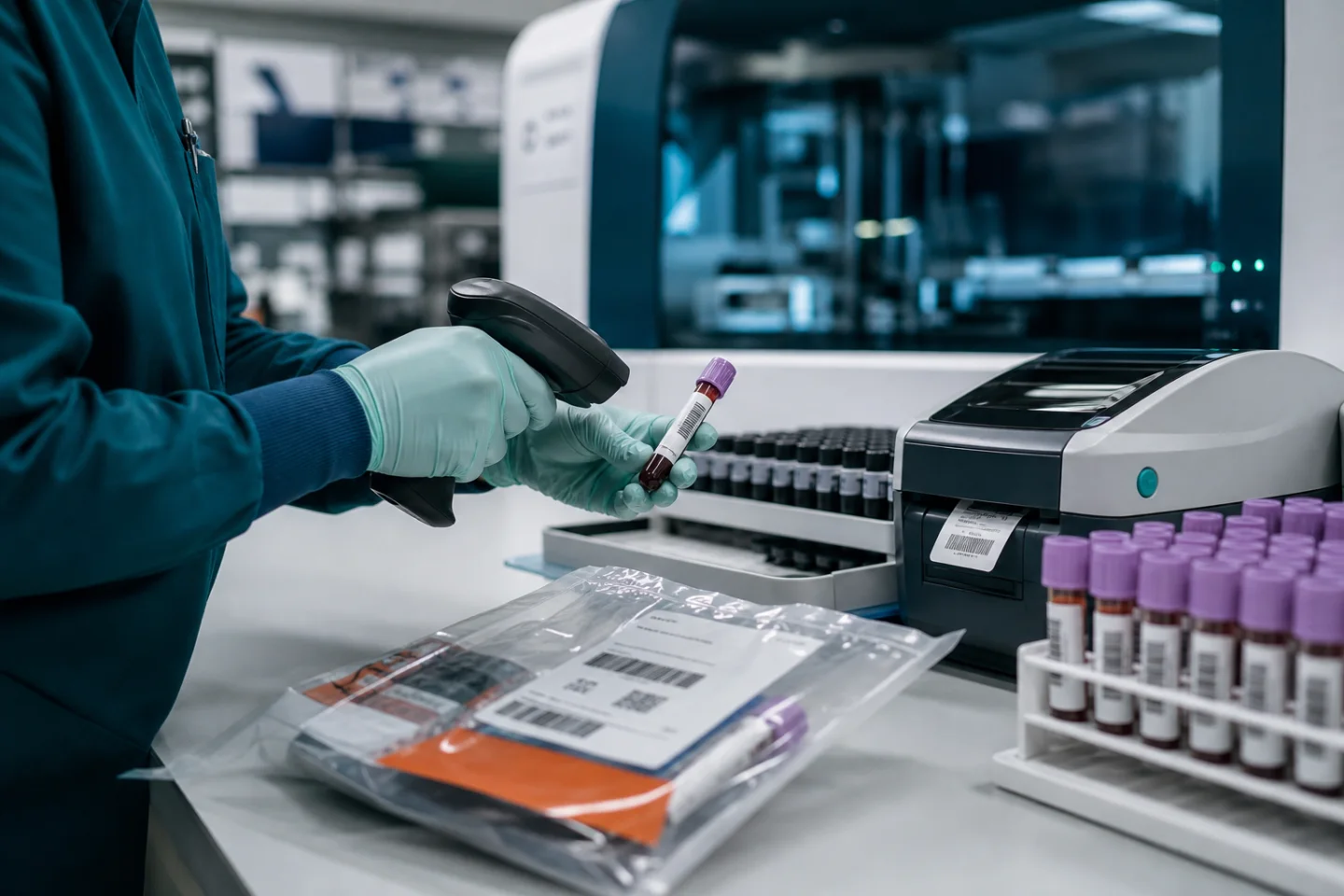
Diagnostic order operations