
Case study
A new diagnostic test was ready. Its order operation needed to catch up.
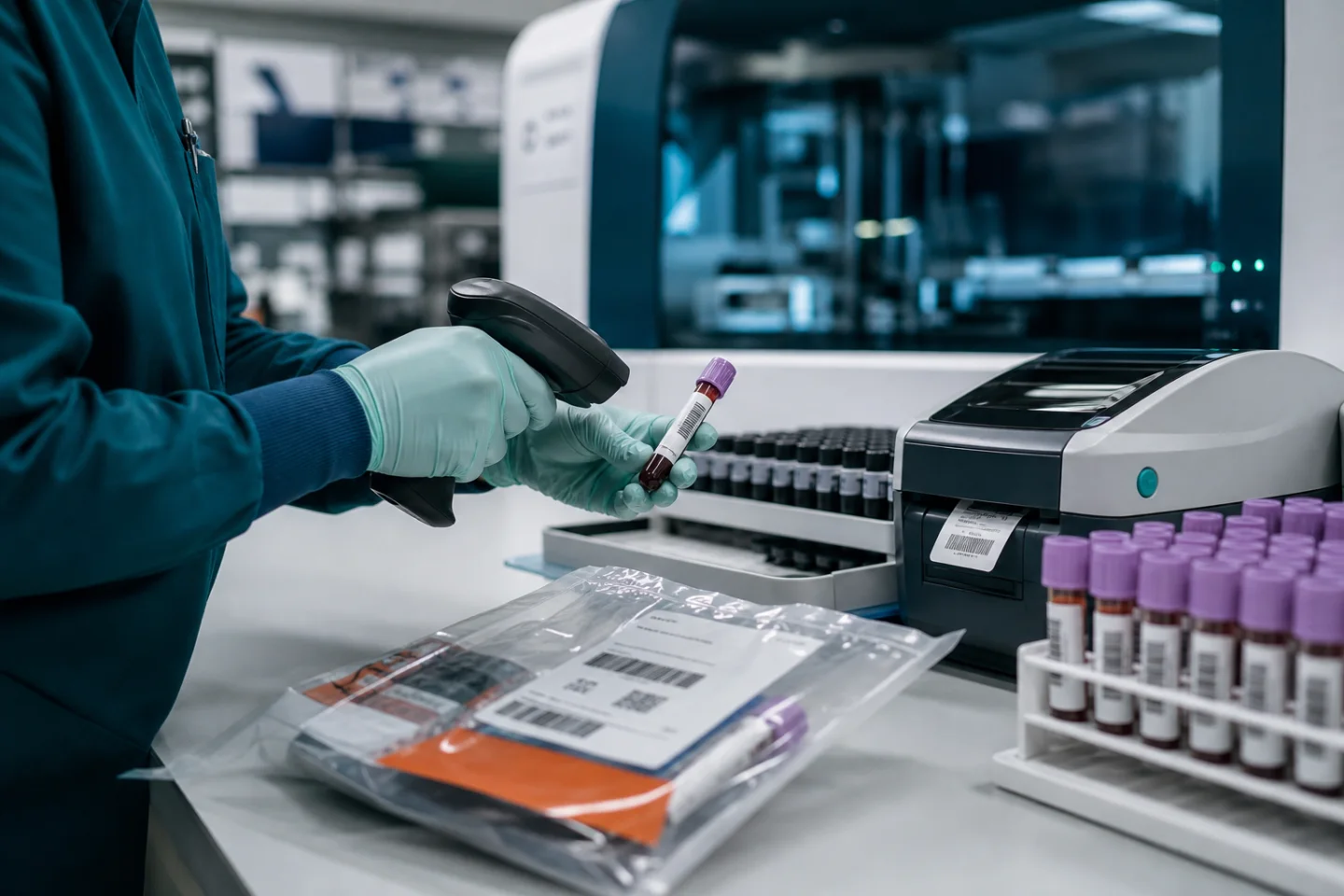
Operating shift
Manual order intake and a launch backlog
One connected order path with real-time status
A new diagnostic test had a fixed launch date, but orders, existing patient records, and support work still moved through separate manual steps.
Leadership treated the launch as an operating change. The order path, data migration, release controls, and support model had to move together.
The manual backlog was removed. Existing patient records moved into the new path, and the diagnostic operation launched on its planned schedule.
Leadership decision
A fixed launch date can be met without carrying a manual backlog into the future operation.
One connected order path with real-time status
The constraint
A new diagnostic test had a fixed launch date, but orders, existing patient records, and support work still moved through separate manual steps.
The decision
Leadership treated the launch as an operating change. The order path, data migration, release controls, and support model had to move together.
What followed
The manual backlog was removed. Existing patient records moved into the new path, and the diagnostic operation launched on its planned schedule.
How the operation changed
One result. Three connected moves.
Set the launch outcome.
Define the order path, migration boundary, release conditions, and accountable owners.
Build one order operation.
Bring secure intake, structured review, patient records, and order status into one path.
Protect the release.
Test the migration, resolve launch issues quickly, and give teams a shared operating view.
What leaders can carry forward
The result depended on the operating conditions around the technology.
- Bound the work around one operating result.
- Treat data migration as part of the launch decision.
- Keep release authority with the people accountable for the operation.
Related work
More operating change.

Laboratory reporting
Turning fragmented laboratory reporting into a connected view.
A national pathology network connected reporting across separate laboratory systems.Read the case study →
Laboratory information systems