
Case study
Turning fragmented laboratory reporting into a connected view.

Operating shift
Separate reporting across laboratory systems
One connected operational view
Leadership lacked a reliable operating view because information from separate laboratory systems had to be consolidated by hand.
The network kept the laboratory systems that were working and created a shared data and reporting layer across them.
Reporting moved from separate manual consolidation to a connected operational view. Leaders and client teams could use the same information without replacing every LIS.
Leadership decision
Operational visibility can improve without replacing every laboratory system.
One connected operational view
The constraint
Leadership lacked a reliable operating view because information from separate laboratory systems had to be consolidated by hand.
The decision
The network kept the laboratory systems that were working and created a shared data and reporting layer across them.
What followed
Reporting moved from separate manual consolidation to a connected operational view. Leaders and client teams could use the same information without replacing every LIS.
How the operation changed
One result. Three connected moves.
Define one reporting model.
Agree on the measures, owners, and decisions the operating view had to support.
Standardize the data path.
Bring information from separate LIS platforms into one consistent reporting layer.
Make the view usable.
Give operating teams a shared dashboard and remove repeated manual consolidation.
What leaders can carry forward
The result depended on the operating conditions around the technology.
- Start with the decisions leadership cannot make today.
- Standardize the view before changing core laboratory systems.
- Give every operating owner the same definition of performance.
Related work
More operating change.
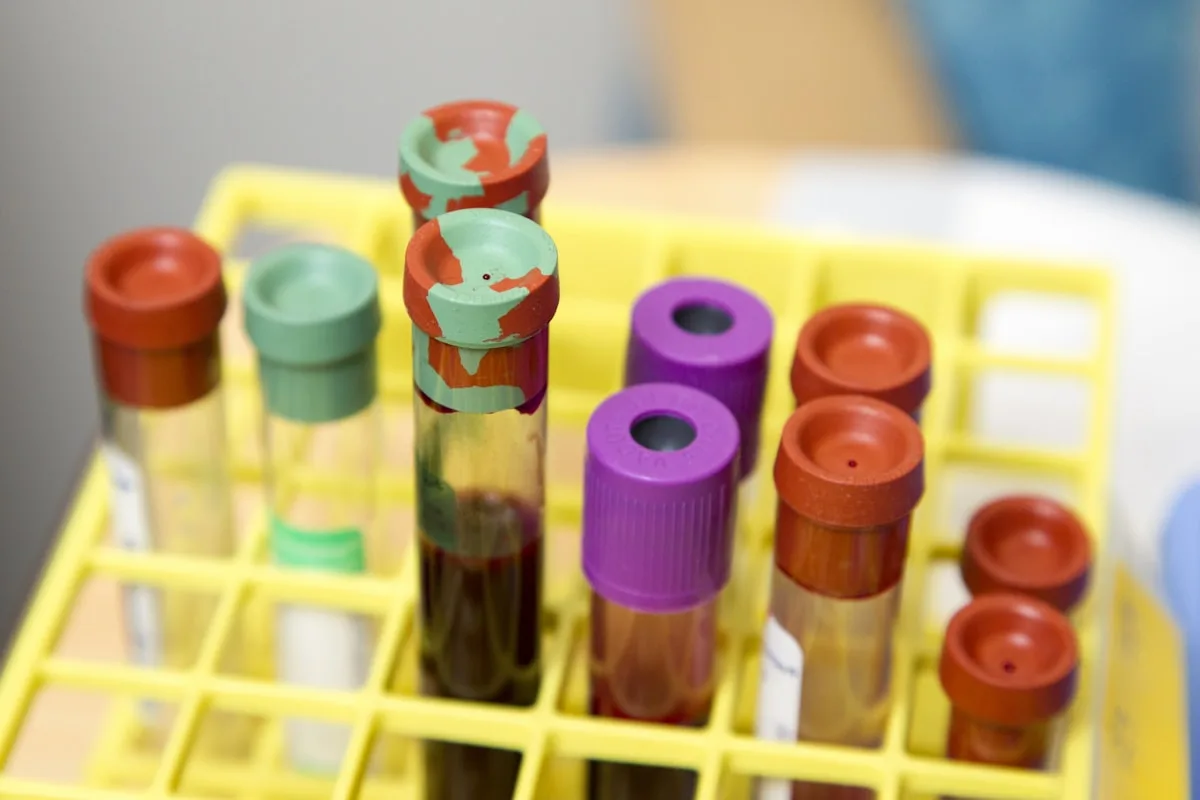
Laboratory information systems
Reducing manual specimen entry with a custom LIS.
A clinical laboratory replaced repetitive entry with a connected laboratory information system.Read the case study →
Genetic testing operations