
Case study
Unifying a multi-site laboratory network on one LIMS.
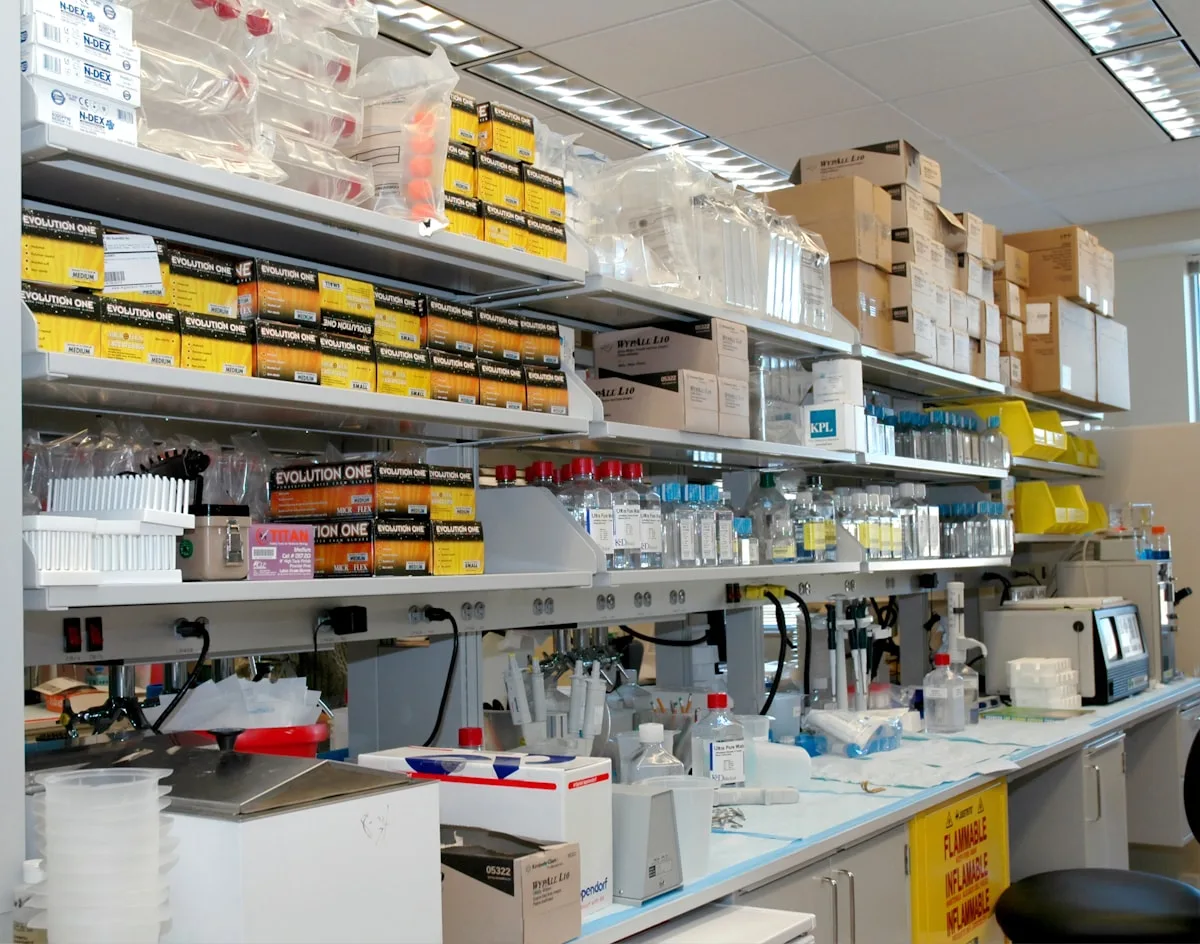
Operating shift
Different systems and operating practices by site
One shared LIMS and a common operating model
Sites used different systems, test definitions, and reporting practices. Growth increased the cost and risk of coordinating the network as one operation.
The network standardized its core LIMS model while preserving the site-level differences required for safe and effective laboratory work.
The network standardized core laboratory work across sites while keeping one shared view of test menus, samples, and results.
Leadership decision
Standardization created scale without removing the needs of each laboratory site.
One shared LIMS and a common operating model
The constraint
Sites used different systems, test definitions, and reporting practices. Growth increased the cost and risk of coordinating the network as one operation.
The decision
The network standardized its core LIMS model while preserving the site-level differences required for safe and effective laboratory work.
What followed
The network standardized core laboratory work across sites while keeping one shared view of test menus, samples, and results.
How the operation changed
One result. Three connected moves.
Define the network standard.
Set the shared data, test, process, and governance model across sites.
Move one site at a time.
Protect continuity through controlled data, configuration, and release decisions.
Govern the shared platform.
Give the network one way to manage change while supporting local needs.
What leaders can carry forward
The result depended on the operating conditions around the technology.
- Standardize what creates network value.
- Preserve local variation only where the operation requires it.
- Treat each site release as an operating decision.
Related work
More operating change.
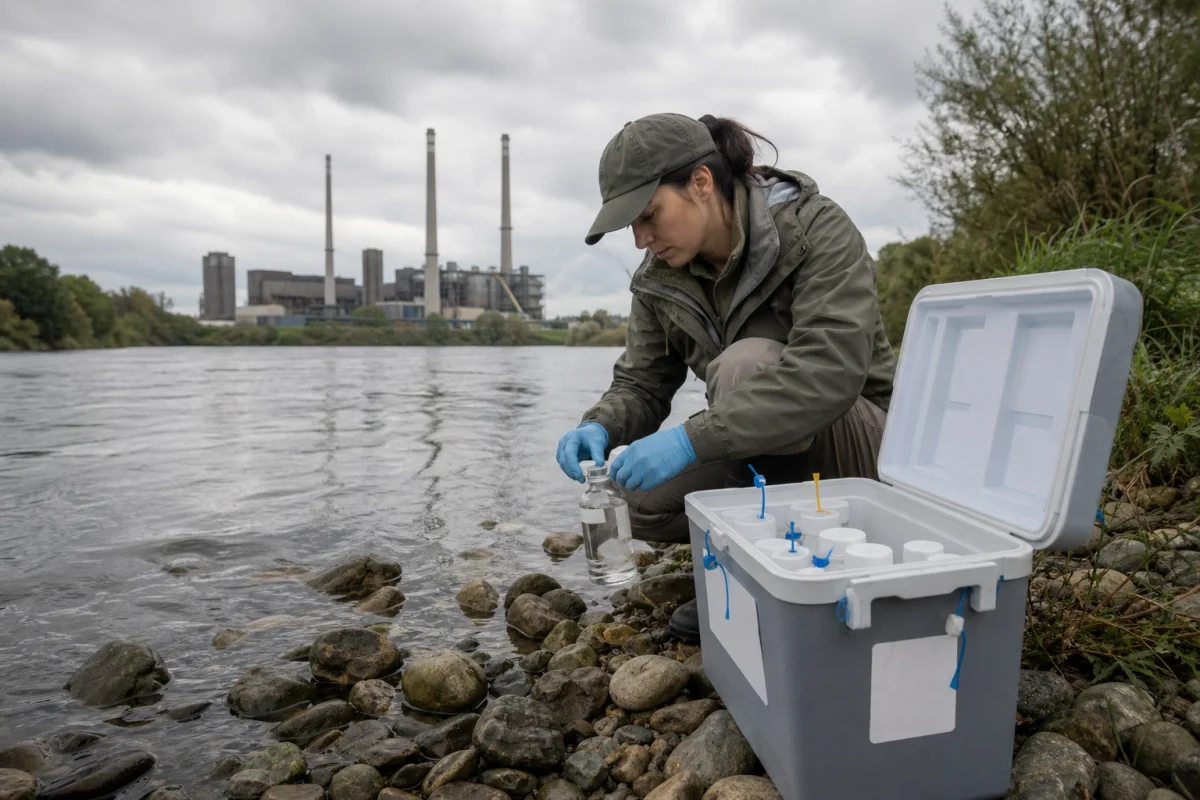
Environmental laboratory operations
Sample custody began in the field. The digital record followed it to the lab.
Electronic chain of custody, instrument integration, and automated reporting replaced paper-heavy work.Read the case study →
Pharmaceutical quality operations