
Case study
Connecting network rules and contract coordination.

Operating shift
Scattered rules, manual assignments, and slow contracts
One governed path for rules and execution
Rules, assignments, and contract steps were coordinated across separate tools and manual handoffs. The network had limited control over status and exceptions.
The organization brought rule management and contract coordination into one governed process with clear ownership at each decision point.
Rule management, assignments, and contract execution moved into one coordinated process. The network reduced manual handoffs and improved control.
Leadership decision
The network gained control by turning scattered rules and contracts into one governed process.
One governed path for rules and execution
The constraint
Rules, assignments, and contract steps were coordinated across separate tools and manual handoffs. The network had limited control over status and exceptions.
The decision
The organization brought rule management and contract coordination into one governed process with clear ownership at each decision point.
What followed
Rule management, assignments, and contract execution moved into one coordinated process. The network reduced manual handoffs and improved control.
How the operation changed
One result. Three connected moves.
Define the governing rules.
Make the assignment logic, owners, and exception path explicit.
Connect rules and contracts.
Move required information and approvals through one visible process.
Retain decision evidence.
Record status, approvals, and exceptions so leaders can follow execution.
What leaders can carry forward
The result depended on the operating conditions around the technology.
- Make rules explicit before automating assignments.
- Connect contract execution to the operating decision.
- Retain a visible record of approvals and exceptions.
Related work
More operating change.
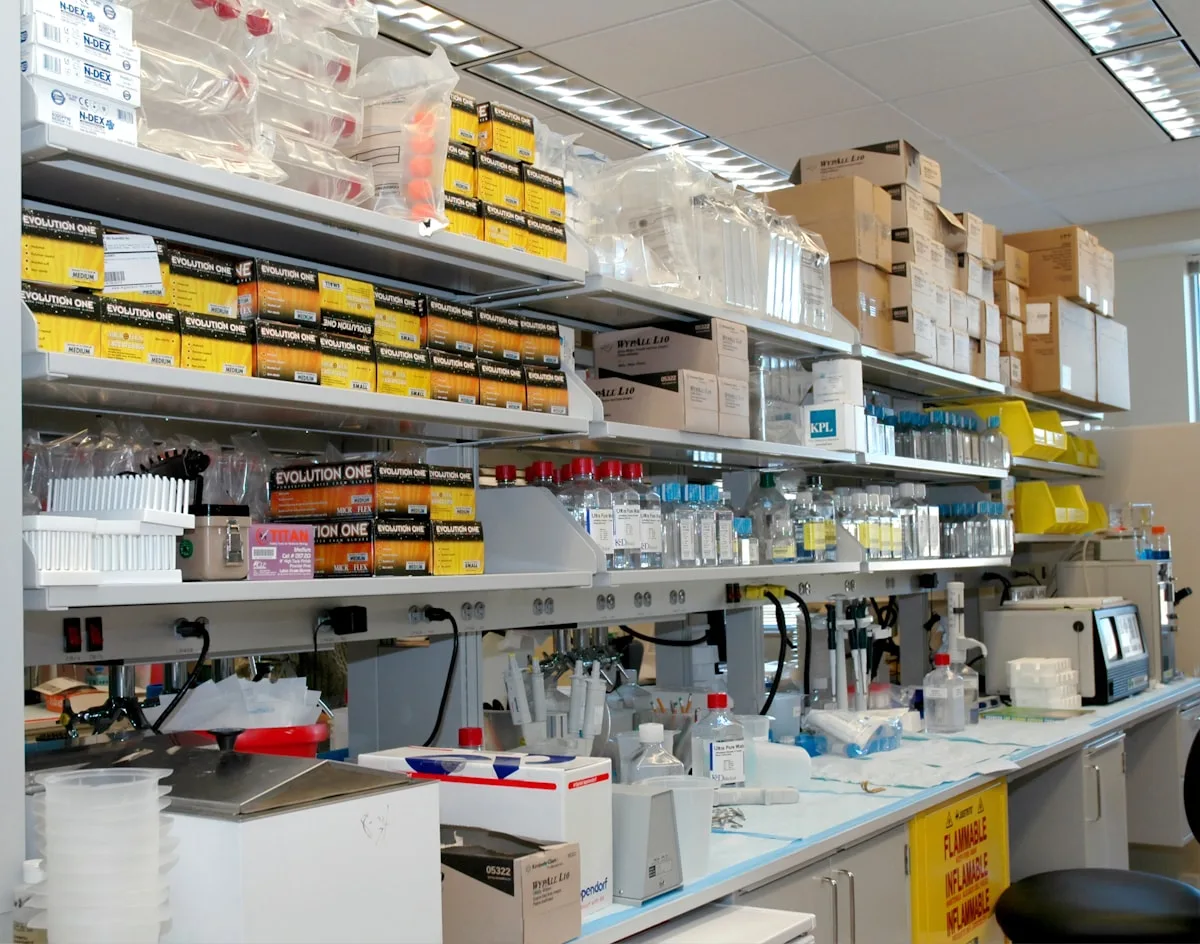
Multi-site laboratory operations
Unifying a multi-site laboratory network on one LIMS.
A national network standardized systems, test menus, and reporting across its laboratory sites.Read the case study →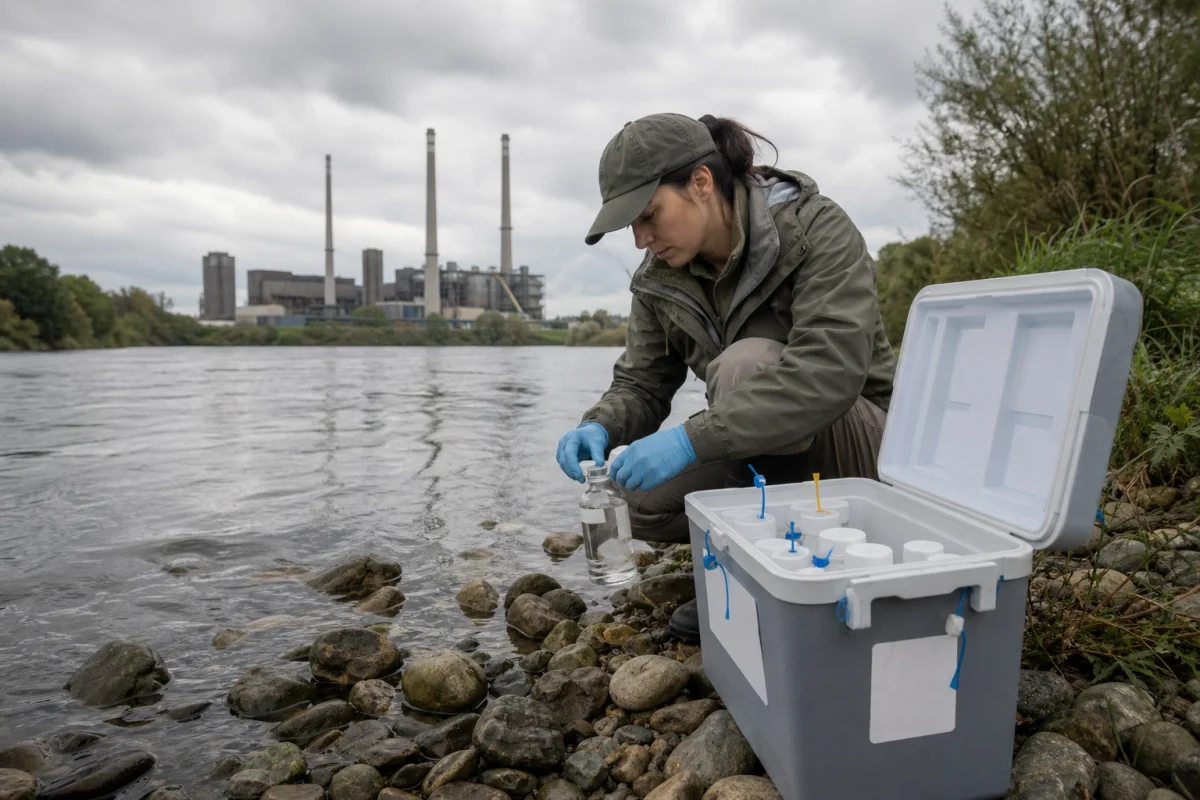
Environmental laboratory operations